Camden Council Waste Rules Explained for Residents
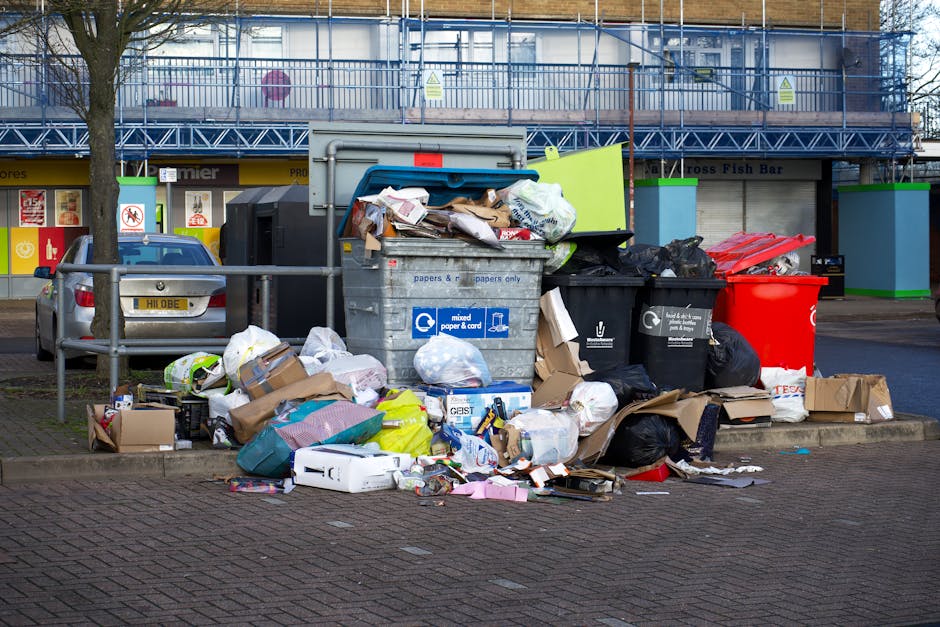
If you live in Camden, waste collection can feel simple right up until the moment it isn't. One week it's a tidy black bin bag and a cardboard box; the next, you've got a broken chair, a bag of old clothes, a bag of soil, and a growing suspicion that the rules are more complicated than they first looked. This guide to Camden Council Waste Rules Explained for Residents breaks everything down in plain English so you can put the right items out, avoid costly mistakes, and keep your home, pavement, and neighbours in good shape.
Truth be told, most waste problems are not caused by bad intentions. They come from uncertainty. What counts as recycling? Can you leave furniture outside? What happens to garden waste, loft clutter, or leftover DIY rubble? Let's sort it out properly, without the jargon.
- Why the rules matter
- How Camden waste collection works
- Benefits for residents
- Who needs this guidance
- Step-by-step guidance
- Expert tips
- Common mistakes
- Tools and resources
- Compliance and best practice
- Options compared
- Real-world example
- Checklist
- Conclusion
- FAQs
Why Camden Council Waste Rules Explained for Residents Matters
Waste rules are not just housekeeping. They affect how clean your street feels, how safely bins are handled, how much recycling gets recovered, and whether your own waste gets collected at all. In a dense borough like Camden, small mistakes can create bigger headaches than you might expect. A bag left beside the wrong bin can be missed. A bulky item left on the pavement too early can annoy neighbours. Mixed rubbish can slow down recycling. And yes, if waste is put out incorrectly, you may end up doing the whole thing twice. Nobody wants that on a rainy Monday morning.
For residents, understanding the rules means fewer missed collections, less clutter, and a better chance of putting things in the right stream first time. It also matters if you are clearing a flat, moving house, dealing with an inherited property, or simply having a brutal declutter after years of "I'll deal with it later." Camden homes are often compact, shared, or stair-heavy, which makes correct waste handling even more important.
Key takeaway: The best waste routine is the one you can repeat easily. If you know what belongs where, you save space, reduce stress, and avoid preventable collection problems.
There is also a practical side that gets overlooked. Once you understand the basics, you can make smarter decisions about when to use council collection, when to separate recyclables, and when a private clearance option is more suitable for bulky or mixed waste. If you need a broader removal service for larger volumes, the team at waste removal can help when council collection is not the right fit.
How Camden Council Waste Rules Explained for Residents Works
The core idea is straightforward: different types of waste must be separated and presented correctly so they can be collected, sorted, recycled, or disposed of safely. In practice, that usually means keeping general rubbish, recycling, food waste, garden material, and bulky items apart, then following the collection day and set-out instructions that apply to your property. The exact setup can vary depending on whether you live in a house, a flat, a managed block, or somewhere with shared bins.
Most residents will need to think about four things:
- What you are throwing away - for example packaging, textiles, broken household items, furniture, or renovation debris.
- Which waste stream it belongs in - general rubbish, recycling, garden waste, food waste, or special disposal.
- How it must be prepared - bagged, flattened, dry, separated, or placed in a designated container.
- When and where it should be presented - collection day, bin store, front boundary, or another permitted set-out point.
That sounds dry, but it becomes second nature fast. A cardboard box flattened and dry is very different from the same box soaked through after a night of drizzle. A garden bag of leaves is not the same as a pile of soil and stones. And a broken wardrobe is not a general bin item just because it used to live in a bedroom.
If you are clearing a room or a whole property, it can help to think in zones: keep reusable items aside, separate recyclable materials, then group the rest by disposal type. Services such as house clearance and home clearance are often useful when the waste is mixed and you need a more organised, end-to-end approach.
Here's the practical bit many residents appreciate: the cleaner and more sorted the waste is, the easier it is to manage. If you are standing in the hallway at 8 p.m. surrounded by bags, broken shelving, and a half-dismantled table, the order of operations matters. Take a breath. Sort first. Move second.
Key Benefits and Practical Advantages
Following the rules properly is not about being perfect. It is about making life easier. That may sound obvious, but in Camden's busy streets and tight residential spaces, a little structure goes a long way.
1. Fewer missed collections
When waste is presented correctly, it is more likely to be collected without issue. Mixed or overfilled bags are the classic problem. So are items left where crews cannot safely access them. Simple preparation helps a lot.
2. Better recycling outcomes
Dry cardboard, clean containers, and separated materials are much easier to process than contaminated waste. If recycling is mixed with general rubbish or food residue, it can become unusable. A tiny bit of attention here really does matter.
3. Less mess on the pavement
Nobody likes seeing waste spread across the street because a bag split open or a bulky item was left out in poor condition. The rules exist partly to keep communal areas clean and walkable.
4. Safer handling
Sharp edges, heavy objects, and awkward furniture all create risk. Good waste practice reduces the chance of injury, damaged communal spaces, and unpleasant surprises for anyone moving bins around.
5. Better planning for bigger jobs
If you are dealing with a loft, garage, or flat clear-out, knowing the rules helps you decide whether council disposal is enough or whether a clearance service would be more efficient. That is where services like flat clearance, loft clearance, and garage clearance start to make practical sense.
To be fair, the real advantage is peace of mind. Once waste is handled correctly, the house feels lighter. The hallway looks less like a storage unit. And the whole place just works better.
Who This Is For and When It Makes Sense
This guidance is for anyone in Camden who wants to dispose of household waste correctly, but some situations make it especially useful.
- Residents in flats or mansion blocks who rely on shared bin stores and have limited space.
- Households doing a clear-out after moving, downsizing, or redecorating.
- Families with bulky household waste such as worn furniture, broken appliances, or mattress changes.
- People dealing with garden waste after pruning, weeding, or seasonal tidy-ups.
- Anyone tackling DIY leftovers from minor home improvements.
- Landlords and tenants managing end-of-tenancy waste and abandoned items.
It also makes sense if you are the sort of person who tries to do the right thing but ends up with three separate piles and no clear plan. Happens more than you'd think. In a one-bedroom flat, a few bags and one old chest of drawers can suddenly take over the room. That is usually the point where residents start looking for a clearer system.
If the job extends beyond standard household rubbish, you may want to compare your options carefully. For example, furniture disposal is useful for single bulky pieces, while furniture clearance is better when several items need to go together. For larger domestic clean-outs, house clearance can be the more practical route.
Step-by-Step Guidance
If you want a straightforward way to deal with waste in Camden, use this process. It is simple, but it saves a lot of hassle.
Step 1: Identify the type of waste
Start by separating the items into broad categories. Ask yourself: is it recyclable, general rubbish, food waste, garden waste, reusable, or bulky? If an item contains mixed materials, split it where possible. A cardboard box with plastic packaging inside should not just be treated as one thing.
Step 2: Decide whether it can be reused or donated
Not everything needs to be thrown away. Usable furniture, clean homeware, and working office items may be better kept in circulation. Even if you are not donating locally, the first question is always: does this need disposal at all? A surprisingly large number of "waste" items are really just storage problems.
Step 3: Separate recyclable material properly
Flatten boxes, empty containers, and keep recyclable items dry and clean where possible. Food contamination is the usual issue. A greasy pizza box is not the same as a dry shipping carton, and it is worth treating them differently.
Step 4: Prepare bulky items safely
Break down furniture if you can do so safely, remove loose parts, and avoid leaving sharp edges exposed. If it is a one-off item, that may be enough. If the volume is larger, a clearance option may be simpler and less disruptive. For business premises, office clearance and business waste removal are more suitable than trying to improvise with a few overfilled bins.
Step 5: Put items out at the correct time and place
Follow the set-out instructions for your property. In shared buildings, bin access rules can be a bit fussy, but that is usually for good reason. Early set-out can cause clutter and late set-out can lead to missed collection. The sweet spot is often simple: on time, neatly arranged, nothing blocking access.
Step 6: Escalate when the waste is too much for standard collection
Some jobs are just beyond ordinary bin collection. That is normal. Mixed household waste, damaged furniture, garden clearances, and builders' debris often need a more practical solution. In those cases, a dedicated collection service can save time, lifting, and repeat trips. If you are dealing with renovation spoil, builders waste clearance is the more appropriate route.
Expert Tips for Better Results
These are the small things that make a big difference. Not dramatic, just useful. The sort of details people only notice after one or two messy attempts.
- Keep a "sort first" corner. Even a tiny kitchen or utility area benefits from one place where recyclables, donations, and waste can be separated before collection day.
- Dry materials before they go out. Wet cardboard and damp paper are far more troublesome than most people expect.
- Don't wait until the last minute. A Saturday clear-out usually goes better than a rushed evening job after work, when everyone is tired and the hallway looks like a jumble sale.
- Check shared-bin etiquette. In flats, one resident's mistake can affect the entire block. Fair or not, that is the reality.
- Use the right service for the right waste. Garden waste, garage clutter, office items, and domestic furniture all have different handling needs.
There is also a quieter tip that people often ignore: keep one eye on safety. Heavy items, dusty loft contents, and old furniture can be awkward in stairwells and narrow entrances. The job may be "just a clear-out," but a twisted ankle or broken bannister changes the tone quickly. If you want a service that puts safety front and centre, it is worth reviewing insurance and safety and the company's health and safety policy before booking.
A small human note here: most people do not need to become waste experts. They just need a system that works on a busy week. That's all.
Common Mistakes to Avoid
The same mistakes crop up again and again, and they are usually easy to prevent once you know what to look for.
- Mixing everything together - recycling, food waste, and general rubbish should not be dumped into one bag and "sorted later." Later rarely comes.
- Leaving bulky items out too early - this can block walkways, attract complaints, and create clutter around entrances.
- Assuming all rubbish is council-bin friendly - furniture, rubble, paint, and some electrical items need separate handling.
- Forgetting about access issues - if a collection team cannot reach the waste safely, it may not go.
- Ignoring contamination - one messy bag can affect a whole recycling load.
- Underestimating volume - what looked like "a few bits" can become a van-load once it is stacked up.
Another common misstep is trying to squeeze unusual waste into the normal routine just because it feels easier. It is not always easier. Sometimes it is just delayed trouble. Garden clippings mixed with soil, for example, behave very differently from light green waste. That is why services like garden clearance can be a better fit for bulkier outdoor waste.
And yes, old furniture has a way of multiplying when you turn your back on it. Bit of a joke, but also true.
Tools, Resources and Recommendations
You do not need specialist equipment to get waste sorted properly, but a few simple tools make the process much easier.
- Strong refuse sacks for general waste and mixed household rubbish.
- Flattening knife or box cutter for cardboard, used carefully and stored safely.
- Work gloves for handling dusty, sharp, or awkward items.
- Markers or labels if you are sorting multiple waste piles in one room.
- Storage bags or crates for reusable items you want to keep separate.
In practical terms, the best resource is a simple pre-sort routine. Spend ten minutes dividing waste before you start moving it. That small pause can save a frustrating second round later in the day. If you are clearing a property with mixed furniture, personal items, and loose household waste, a planned service can be the easiest path. The pricing and quotes page is helpful if you want to understand how a larger clearance job is usually approached before you commit.
If sustainability matters to you, it should - the company's recycling and sustainability information is worth reviewing as part of your decision-making. And if you want to understand the business behind the service, the about us page is a sensible place to start. Small detail, but it helps build trust.
Law, Compliance, Standards, or Best Practice
Residents do not need to memorise environmental law to deal with household waste well, but it does help to understand the broad duties. In the UK, waste should be stored, presented, and transferred responsibly. In practice, that means avoiding fly-tipping, keeping waste secure, and using properly authorised collection and disposal routes. It also means not treating pavements, common areas, or shared entrances as temporary dumping grounds.
For Camden residents, the safest mindset is simple: if you would not want the waste left outside your own front door for days, probably do not leave it there. That sounds obvious, but it is a good test.
Best practice usually includes:
- keeping waste separated where possible;
- using the correct containers and set-out points;
- reducing contamination of recyclables;
- avoiding obstruction of footpaths, doors, and bin access routes;
- using professional help for heavy, awkward, or large-volume waste;
- making sure any waste carrier you use is reputable and suitable for the job.
There is also a commercial side for landlords, letting agents, and small businesses. Mixed waste from office moves or end-of-lease clearances can be more complicated than domestic rubbish, especially when furniture, paper archives, and storage clutter are involved. For those situations, office clearance or business waste removal can reduce risk and keep the job moving.
Options, Methods, or Comparison Table
Choosing the right approach depends on waste type, volume, and how much time you have. Here's a simple comparison that should help.
| Option | Best for | Strengths | Limitations |
|---|---|---|---|
| Standard council collection | Routine household waste and accepted recycling | Simple, familiar, usually low effort | Not suitable for many bulky or mixed items |
| Household sorting and self-disposal | Residents with time and transport | Good control over what goes where | Requires effort, lifting, and planning |
| Professional waste removal | Mixed, heavy, or large-volume waste | Faster, safer, less disruption | Usually chosen when convenience matters more than DIY |
| Targeted clearance service | Furniture, garages, lofts, gardens, or full rooms | Specific to the job, efficient for one-off clear-outs | Best when the waste type is clear |
If you are staring at a pile of items and wondering which route is right, the answer usually depends on three questions: how much waste is there, how heavy is it, and how quickly do you need it gone? If the answer to any of those is "quite a lot," a dedicated clearance service often wins on practicality alone.
Case Study or Real-World Example
Picture a typical Camden flat after a move. There's a warped bookshelf in the hall, a cracked dining chair, three bags of mixed clutter from the cupboard under the stairs, and several cardboard boxes that were meant to be flattened "later." It is early evening, the lift is busy, and the hallway already smells faintly of damp cardboard and old tape. A common scene, really.
The resident begins by sorting everything into three groups: reusable items, recyclables, and disposal waste. The cardboard is flattened and kept dry. The chair is separated from loose items so it can be moved without snagging the wall. The mixed clutter is checked for anything that should not go into general waste, and the job is reviewed before anything is carried outside.
In this kind of situation, the main lesson is not complicated. Sorting first saves time second. If the volume turns out to be more than the resident expected, a service like flat clearance can remove the stress of multiple trips and stairwell juggling. That is often the point where people stop trying to be heroes and just get the job done properly.
And honestly, that is fine. Good waste management is not a moral test. It is a practical one.
Practical Checklist
Use this checklist before putting waste out or booking a clearance service.
- Have I separated general waste, recycling, food waste, and bulky items?
- Have I checked whether any items can be reused or donated?
- Are boxes flattened and recyclable items kept dry?
- Are heavy, sharp, or awkward items safe to move?
- Am I sure the waste is suitable for normal collection?
- Have I avoided overfilling bags or bins?
- Is the waste stored where collection crews can reach it safely?
- Do I need a specialist service for furniture, garden material, loft clutter, or builders' debris?
- Have I reviewed pricing, insurance, and sustainability information if booking help?
- Have I left nothing blocking shared access routes or pavements?
If you can tick most of those off, you are in good shape. If not, pause and sort a bit more. It usually pays off.
Get a free quote today and see how much you can save.
Conclusion
Camden waste rules make far more sense once you see the logic behind them. Separate what can be recycled, handle bulky items sensibly, use the right service for the right job, and avoid leaving anything messy or unsafe in shared spaces. That is the heart of it. Nothing mystical, just good habits applied consistently.
For some residents, standard collection is enough. For others, a flat clearance, furniture disposal, or broader waste removal service is the cleaner, faster answer. The best choice is the one that keeps your home tidy, your neighbours happy, and your week a little less chaotic. Which, let's face it, is no small thing.
When you approach waste properly, the whole job feels lighter. And that makes a difference, especially in a busy borough where space is limited and life moves quickly.
Frequently Asked Questions
What are the basic Camden Council waste rules for residents?
The basic idea is to separate waste correctly, present it in the right containers or at the right collection point, and avoid mixing recyclable materials with general rubbish. Bulky items, garden waste, and renovation debris usually need special handling.
Can I leave bulky items outside for collection?
Only if the collection method and timing allow it. Bulky items should not block pavements or communal access, and they should be put out in the way that is permitted for that property or service.
What should I do with old furniture?
Small, manageable items may be suitable for a targeted furniture disposal or furniture clearance service. Larger clear-outs, especially from flats or houses with multiple pieces, are often easier to handle with a broader clearance option.
Is garden waste treated the same as household rubbish?
No. Garden waste should be kept separate from general rubbish wherever possible. Soil, rubble, and heavy woody material can be especially awkward, so it is worth checking the best disposal route before bagging everything together.
How do I know if something can be recycled?
As a general rule, clean, dry, and separated materials are more likely to be recyclable than mixed or contaminated waste. Cardboard, some packaging, and certain containers are common examples, but contamination matters a lot.
What happens if I put waste out incorrectly?
It may be missed, left behind, or cause problems for other residents. In shared buildings, one badly presented pile can create access issues or complaints, which nobody really wants.
Do Camden waste rules apply differently in flats?
Flats often have shared bin stores, tighter access, and stricter presentation expectations. That means residents usually need to be extra careful with timing, placement, and item separation.
When should I choose a professional waste removal service?
If the waste is bulky, mixed, heavy, or simply too much for ordinary collection, professional help can be the more practical choice. It is especially useful for house clear-outs, garage clearance, loft clearance, and office-related waste.
How can I reduce waste before collection day?
Sort items into keep, donate, recycle, and dispose piles. Flatten cardboard, empty containers, and remove reusable goods first. A short sort makes the rest much easier.
What is the safest way to handle heavy rubbish?
Use gloves, lift carefully, and avoid moving anything that feels unstable or too awkward. If an item is too heavy or unsafe, do not force it. That is exactly the kind of job better suited to a proper clearance team.
Are builders' leftovers treated like normal household waste?
Usually not. DIY offcuts, rubble, plaster, and similar materials often need separate handling. For that kind of material, builders waste clearance is generally more appropriate than standard domestic disposal.
Where can I get help if I have a mixed property clearance?
For larger mixed jobs, it helps to review the company's services, pricing, and safety information, then choose the option that matches the waste type. Home, house, loft, flat, furniture, and garden clearances all solve slightly different problems.
In the end, the rules are there to make everyday life cleaner, safer, and less stressful. Get the system right once, and it keeps paying you back every bin day after that.