Fly-Tipping Fines in Camden and How to Avoid Them
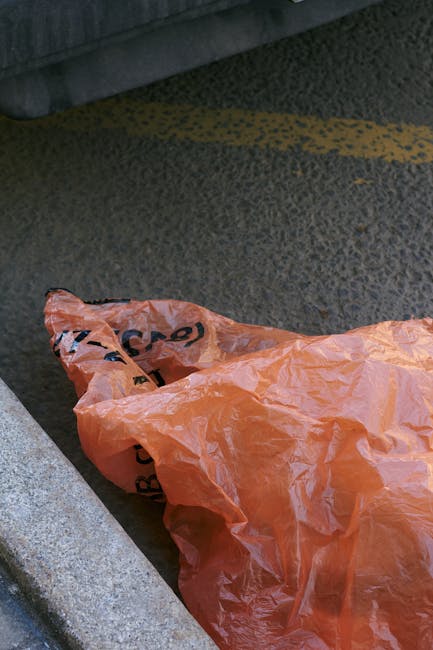
If you live, work, or manage property in Camden, fly-tipping is one of those problems that can turn a normal week into a costly headache fast. A sofa dumped by a skip. A pile of black bags left beside a wall. A builder's rubble left "just for now". It all looks minor until the fine lands, the cleanup becomes your problem, or the council starts asking awkward questions. This guide on Fly-Tipping Fines in Camden and How to Avoid Them explains what counts, why people get caught out, and the practical steps that keep you on the right side of the rules.
We'll keep it plain-English and useful. No legal waffle for the sake of it. Just the stuff that actually helps you avoid fines, reduce risk, and deal with waste properly in a busy London borough where space is tight and mistakes are easy to make.
Why Fly-Tipping Fines in Camden and How to Avoid Them Matters
Fly-tipping is not just an eyesore. In Camden, it can mean enforcement action, removal costs, time lost dealing with reports, and sometimes a messy chain of blame that's hard to unwind. Truth be told, many people only think about fines after something has already gone wrong. By then, you're trying to prove what happened rather than prevent it.
That matters because Camden is the kind of place where waste incidents are noticed quickly. There are dense streets, shared bins, mixed-use buildings, flats, shops, offices, and constant movement. A bag left in the wrong place can become everyone's problem in a matter of hours. And if the waste can't be traced, the person responsible may still be investigated if the council believes they failed in their duty of care.
The other reason this topic matters is reputational. If you're a landlord, tenant, business owner, contractor, or managing agent, one fly-tipping complaint can make you look careless even if you had the best intentions. The fine is one thing. The stress, delay, and awkward conversations are another entirely.
Practical takeaway: the cheapest waste decision is usually the one that is documented, booked properly, and removed by the right route the first time.
How Fly-Tipping Fines in Camden and How to Avoid Them Works
At a basic level, fly-tipping means depositing waste illegally. That can be a single bin bag, household clutter, builders' rubble, old furniture, garden waste, or commercial rubbish left where it should not be. The important point is not the size of the load. It is the fact that it has been dumped without lawful disposal.
In practice, enforcement usually starts with a complaint, an inspection, or evidence found with the waste. Officers may look for names, addresses, labels, invoices, packaging, or anything else that helps establish who produced the rubbish and who handled it. That is why "I didn't know" is not much of a defence if the paperwork is missing or the handover was sloppy.
People get fined in different ways depending on the circumstances. Fixed penalty notices are commonly used for lower-level cases, while more serious incidents can lead to larger penalties or prosecution. Exact outcomes can vary, so it is better to think in terms of risk bands rather than a single set fee. The main thing is simple: if you leave waste out irresponsibly, or hand it to the wrong person, you can still be drawn into the mess.
A very common scenario is this: someone clears a flat in a hurry, hires an unverified collector, and later finds a pile of items dumped near a lane or estate. That is the part people hate. The waste is gone from their hands, but not from their responsibility. Bit annoying, really.
Key Benefits and Practical Advantages
Staying on top of waste handling is not only about avoiding fines. There are some very real practical benefits too.
- Lower risk of enforcement action: fewer chances of being linked to illegal dumping.
- Better evidence trail: clear records make it easier to show you acted responsibly.
- Less disruption: waste is removed in a controlled way rather than sitting around for days.
- Cleaner properties: useful for landlords, agents, and businesses that need places to look presentable.
- Better planning: you can match the removal method to the type and volume of waste.
- Reassurance for tenants and staff: people notice when waste is handled properly.
There is also a quieter benefit that is easy to miss: calm. If you know the waste is being handled properly, you are not checking the window every morning wondering whether someone has dumped a mattress outside. That peace of mind counts for a lot in a busy London street.
If you are dealing with mixed waste, a planned service such as waste removal can help keep everything clear and traceable, especially when there is more than one type of item to move.
Who This Is For and When It Makes Sense
This guide is useful for a wider group than you might expect. It is not only for people who have already received a notice. It is also for anyone who wants to avoid trouble before it starts.
- Homeowners clearing garages, lofts, gardens, or spare rooms.
- Tenants moving out of flats and trying not to leave problems behind.
- Landlords and letting agents managing end-of-tenancy waste.
- Offices and small businesses disposing of furniture, paperwork, and fixtures.
- Builders and tradespeople dealing with rubble, packaging, and renovation debris.
- Managing agents responsible for communal areas, stores, and shared access routes.
It also makes sense if you are comparing options. For example, if you are deciding between a skip, a man-and-van style collection, or a scheduled clearance, the right answer depends on access, time pressure, waste type, and how much documentation you need. Camden properties can be awkward. Narrow stairwells, parking restrictions, basement access, and shared entrances all change the decision. Anyone who has tried carrying a broken wardrobe down three flights of stairs in wet weather knows the feeling.
If the waste is from a home move or major declutter, services like flat clearance, house clearance, or home clearance can be more practical than trying to manage everything yourself.
Step-by-Step Guidance
Here is a straightforward way to avoid fly-tipping fines and the admin mess that often comes with them.
- Identify the waste properly. Separate household rubbish, furniture, electrical items, builders' waste, green waste, and business waste. Don't bundle everything together and hope for the best.
- Decide who is responsible. If you are the property owner, tenant, contractor, or manager, be clear about who arranged the removal and who has the records.
- Use a legitimate disposal route. Choose a service that can remove the waste lawfully and explain what happens to it afterwards.
- Ask for proof. Keep invoices, job notes, and confirmation of collection. If you are passing waste to someone else, get their details and retain them.
- Check access and timing. Don't leave waste on the pavement "until later". In Camden, later can become a complaint very quickly.
- Confirm what is not accepted. Some items need special handling, such as certain electricals, paint, or hazardous materials. If in doubt, ask first.
- Store waste safely before collection. Keep it on private property where possible, not beside the road or in a communal walkway.
- Follow through. Make sure the items actually leave with the collection and are not simply moved to another problem spot nearby.
A small habit makes a big difference here: take a quick photo before collection and another after. It is not about being dramatic. It just helps if somebody later asks what was there, who removed it, and when. Useful little habit, that.
Expert Tips for Better Results
In our experience, the people who avoid problems are not necessarily the ones with the biggest budgets. They are the ones who are organised. A few small habits go a long way.
- Keep waste separate by category. Mixed waste is harder to quote for and easier to mishandle.
- Do not rely on verbal promises. If someone says they will "sort it later", treat that as a warning sign.
- Check whether the collector is insured and safety-conscious. If they cannot explain how they work, that is not reassuring.
- Plan removals before deadlines. End-of-tenancy days and refurbishment handovers get chaotic fast.
- Think about access early. A collection that looks easy on paper can become a problem if there is no parking or lift access.
- Use a service that understands local conditions. Busy streets, limited loading space, and neighbour sensitivity all matter.
If you are dealing with commercial premises, business waste removal is often a smarter route than ad hoc disposal, because it creates a cleaner paper trail and reduces the chance of staff leaving bags outside "just for the morning". That morning has a funny habit of stretching all day.
For furniture-heavy jobs, consider furniture clearance or furniture disposal so bulky items do not end up abandoned on the street while you wait for a cheaper option that never quite materialises.
Common Mistakes to Avoid
The biggest mistakes are usually simple ones. Not malicious. Just rushed, underplanned, or based on assumptions that do not hold up.
- Leaving waste beside bins or on pavements. Even if it is meant for collection, it can be treated as dumped waste if left in the wrong place or too long.
- Hiring someone without checking their details. If they cannot explain where the waste goes, walk away.
- Assuming a cheap quote means compliance. Low prices are fine if the service is legitimate. If not, the "saving" can disappear very fast.
- Mixing hazardous or restricted items with general rubbish. That can complicate disposal and increase the risk of refusal or mis-handling.
- Forgetting contractor waste. Builders' rubbish left by a tradesperson can become the property owner's headache if nobody took responsibility.
- Throwing away documents or receipts immediately. Keep records for longer than you think you need them.
There is also the classic mistake of trying to do everything in one frantic sweep at 8:30 on a Sunday morning. The van is half-full, the lift is too small, the hallway is narrow, and someone has already parked in the loading bay. Camden life. We know it well.
Tools, Resources and Recommendations
You do not need a stack of complicated tools to stay compliant. A few simple ones are enough.
- Phone camera: for before-and-after photos of the waste and the cleared space.
- Folder for receipts: digital or paper, as long as it is easy to find.
- Basic inventory list: especially helpful for house moves, office clearances, and landlord handovers.
- Calendar reminder: set collection dates and deadline alerts so waste does not sit around.
- Labelled bags or piles: useful when separating furniture, green waste, and general rubbish.
For larger or more sensitive jobs, it can help to work with a provider that explains safety, insurance, and payment clearly. The pages on insurance and safety, health and safety policy, payment and security, and recycling and sustainability are useful signs that a company takes the basics seriously rather than treating waste as an afterthought.
For awkward storage areas and hard-to-reach spaces, options like garage clearance and loft clearance can save time and reduce the temptation to dump items outside temporarily.
Law, Compliance, Standards, or Best Practice
Without getting bogged down in legal jargon, the safest approach is to assume that if you produce waste, you remain responsible for seeing that it is handled properly until it is in lawful hands. That is the practical heart of the issue. If you pass waste to someone else and they dump it illegally, you may still need to show that you took reasonable steps to check they were legitimate.
Best practice usually means keeping records, using trustworthy collectors, separating different waste streams, and ensuring waste is not left on public land without permission. In property and business settings, the expectation is even higher, because there is a clear duty to organise waste responsibly and avoid nuisance to neighbours, staff, or passers-by.
It is worth being careful with specialist items too. Builders' debris, office clear-outs, and mixed household waste often need different handling. For example, builders waste clearance may be more appropriate for rubble and renovation materials than a general rubbish removal, while office clearance may make more sense for desks, chairs, files, and fixtures from a workplace move.
If you are unsure, treat uncertainty as a signal to pause, not a reason to guess. That one pause can save a lot of hassle later.
Options, Methods, or Comparison Table
Different waste problems need different solutions. Here is a simple comparison to help you think it through.
| Option | Best for | Pros | Watch out for |
|---|---|---|---|
| Self-transport to disposal site | Small, manageable loads | Direct control, flexible timing | Time, access, vehicle suitability, proof of disposal |
| Skip hire | Ongoing refurbishments or larger projects | Good for staged loading | Space, permits, and risk of improper use by others |
| Planned waste removal service | Mixed household, office, or bulky waste | Convenient, traceable, less lifting for you | Choose a provider with clear terms and proper handling |
| Specialist clearance | Lofts, garages, flats, gardens, or office spaces | Matched to the setting, often more efficient | Access details and item restrictions need to be clear in advance |
For many Camden residents, the best route is the one that reduces touchpoints. Fewer handovers. Less dragging things downstairs. Less guessing. That usually means a proper clearance rather than a last-minute do-it-yourself shuffle. If you are dealing with a particular room or property type, a targeted service such as garden clearance or office clearance can be more efficient than a broad, one-size-fits-all approach.
Case Study or Real-World Example
Here is a realistic example based on the kind of situation people run into all the time. A small landlord in Camden had a tenant move out suddenly, leaving behind a broken bed frame, a few bags of mixed rubbish, an old wardrobe, and some loose items in the hallway. In a rush, the landlord considered putting everything outside for "collection later" while arranging keys and cleaning.
That would have been the risky move. Instead, they separated the waste, photographed the items, booked a proper removal, and kept the invoice with the checkout notes. The clearance happened the same day, the hallway stayed clear, and there was no question later about what had happened to the waste. Not glamorous. But it worked.
Now, imagine the alternative. Bags left beside the building overnight, a complaint from a neighbour, and no record of who took what. The waste may have been yours once, but the headache would have lasted much longer than the removal itself. Sometimes the boring option is the smart one. Actually, most times.
Practical Checklist
Use this before any clearance or disposal job in Camden.
- Have I identified exactly what needs removing?
- Have I separated furniture, general rubbish, and specialist waste?
- Do I know who is responsible for the waste?
- Have I chosen a lawful disposal route?
- Have I kept photos and records?
- Am I sure the waste will not be left on public land?
- Do I know what the collector will and will not take?
- Have I checked access, parking, and timing?
- Have I saved receipts and confirmation details?
- Have I planned for bulky items or hard-to-move waste separately?
If you can tick most of those off, you are already ahead of a lot of people. And that is half the battle, to be fair.
Get a free quote today and see how much you can save.
Conclusion
Fly-tipping fines in Camden are avoidable when waste is handled with a bit of care, a bit of planning, and the right paperwork. The main idea is not complicated: do not leave waste where it should not be, do not hand it to the wrong person, and do not assume that "someone else will sort it out" is a strategy. It never really is.
If you are dealing with a flat move, office tidy-up, garden mess, or a larger household clear-out, the safest path is usually the one that keeps the waste traceable and properly removed from the start. That way, you protect your budget, your time, and your peace of mind. Which is, let's face it, the bit everyone wants back.
When the job is done properly, the space feels lighter almost immediately. A hallway stops looking cramped. A garage opens up again. The street outside stays clean. Small win, but a real one.
Frequently Asked Questions
What counts as fly-tipping in Camden?
Fly-tipping usually means leaving waste somewhere it should not be, such as a pavement, alley, roadside, communal area, or private land without permission. It can involve anything from bin bags to furniture or builders' debris.
Can I be fined if someone else dumped my waste?
Yes, potentially. If you did not take reasonable steps to use a legitimate waste collector or keep proper records, you may still be asked to explain how the waste was passed on. That is why paperwork matters so much.
How do I avoid fly-tipping fines when clearing a flat?
Keep everything traceable. Separate the items, book a proper clearance, keep proof of collection, and make sure nothing is left outside while you organise the rest. A service such as flat clearance can be a practical option for tight-access properties.
Is putting waste next to a bin allowed?
Usually not, unless it is specifically arranged and permitted. Leaving bags beside bins can easily be treated as dumping, especially if they remain there or block access.
What should I do with old furniture in Camden?
Use a lawful disposal or clearance route. Furniture left on the street can quickly become fly-tipping, especially if collection arrangements are unclear. Furniture disposal is often the cleaner route for bulky items.
Do businesses have different responsibilities from households?
Yes, in practice businesses are usually expected to be even more organised because they generate waste as part of their operations. Keeping records and using a proper collection method is especially important.
What if I only have a small amount of rubbish?
Small amounts still need to be disposed of correctly. Size does not make waste legal if it has been dumped. A single bag in the wrong place can still cause a problem.
How do I choose a waste removal service safely?
Look for clear pricing, straightforward terms, proper safety practices, and a service that explains how waste is handled. Pages like pricing and quotes and terms and conditions can help you understand how a provider works before booking.
What records should I keep after a collection?
Keep invoices, collection confirmation, photos if relevant, and any notes about what was removed. If there is ever a dispute, those records are worth their weight in gold. Or close enough.
Can garden waste also lead to fly-tipping fines?
Yes. Bags of clippings, soil, branches, and old garden items can all become fly-tipping if left in the wrong place. A proper garden clearance helps keep the process tidy and lawful.
What is the safest next step if I am unsure about disposal?
Pause and ask before you move anything to the street or a communal area. If the waste is bulky, mixed, or time-sensitive, use a proper clearance service and keep all paperwork. A careful five-minute check can save a very expensive mistake.
Where can I learn more about the company's standards?
If you want extra reassurance before booking, review pages such as about us, recycling and sustainability, and health and safety policy. They give a good sense of how the service is run.